
farmers and shea nut collectors enrolled by end of 2025.
Creating value
where it begins.
Celebrating our progress.
From empowering over 6,000 farmers to becoming South Sudan’s first ARSO-certified company, Ubuntu’s journey is a testament to what is possible when innovation meets purpose. Every milestone reflects our commitment to sustainable agriculture, stronger rural livelihoods, and premium organic products that earn trust in local and global markets.
Our progress is more than a measure of growth, it is a legacy of impact, resilience, and transformation.
women impacted over the next five years.
women shea nut collectors in South Sudan.
farmers helped through mechanization.
Empowering through training
Our model
How our model protects biodiversity
01
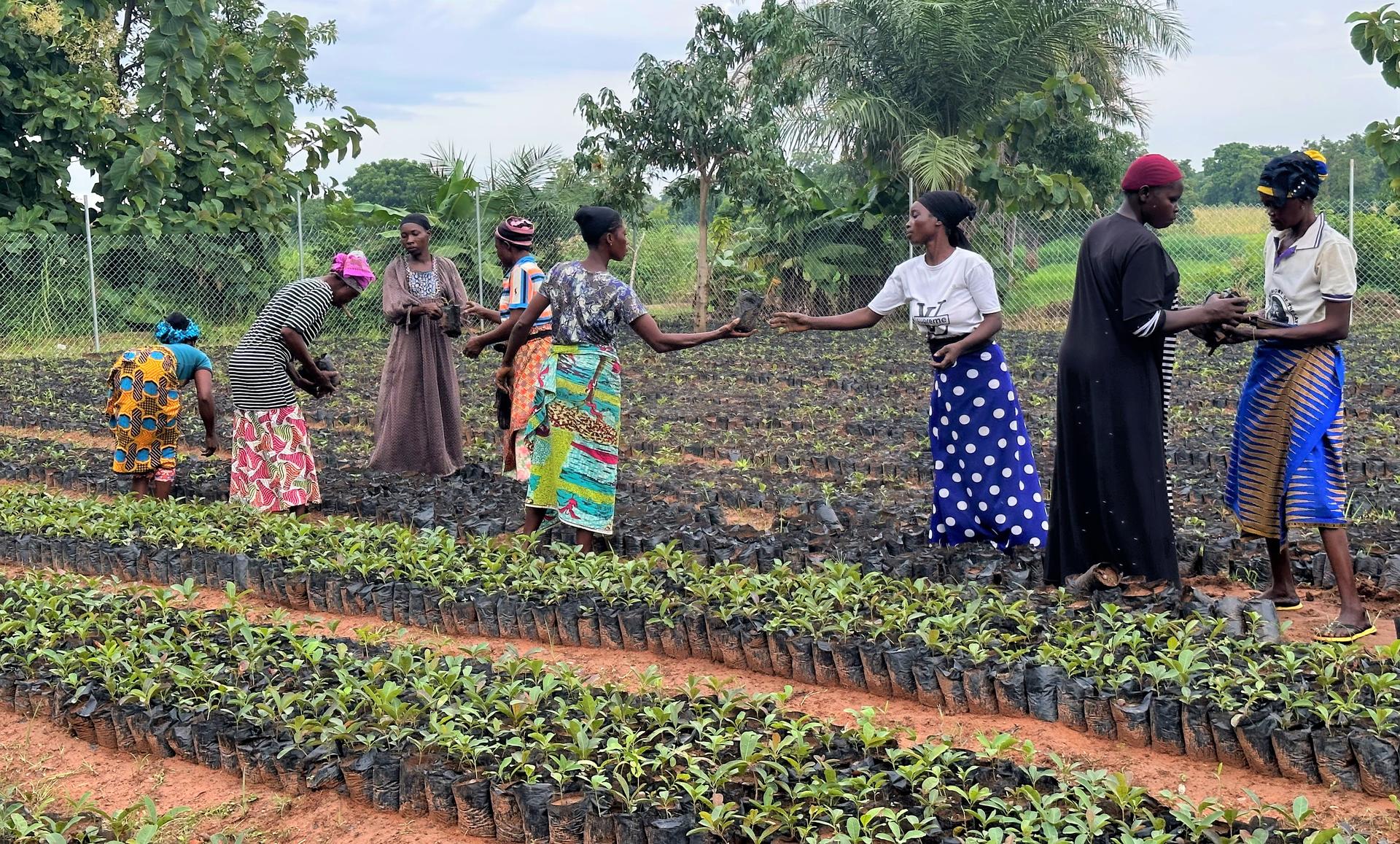
Work Through Women groups and Protected Landscapes
The women groups are legally recognized governance structure where:
- Communities have formal authority to manage natural resources in their territory
- Land-use rules, harvesting rules, and conservation rules are set locally
- Traditional leaders, women’s groups and youth groups collectively make decisions
- Communities can set by-laws, create patrol teams, and enforce protection of forests, wildlife and water bodies
By placing economic activity inside conservation governance, market incentives and biodiversity incentives stay aligned.
02
Co-Create Conservation Agreements
We sign multi-party Conservation Agreements with the groups, traditional authorities.
These agreements create a shared mandate:
Communities commit to:
- forest protection and patrols
- reforestation and tree nurseries
- fire management and anti-logging enforcement
- sustainable harvesting guidelines
- biodiversity monitoring
SFC commits to:
- premium, stable markets
- direct financial flows into Conservation Funds
- fair and traceable pricing
- infrastructure that reduces ecological pressure
03
Turn Value Chains Into Conservation Finance
A portion of every kilogram of shea, coconut or baobab sourced in these landscapes funds:
patrol teams
reforestation and seedling nurseries
environmental education
riparian-zone restoration
How we create impact
Value that moves through the chain.
People
We work with farmers, collectors, women’s groups and local suppliers to strengthen participation in agricultural markets.
Local Value
Production, mechanization, processing and value addition help retain more economic value within the agricultural chain.
Market Access
We connect locally produced agricultural products with retail, wholesale, commercial and wider market opportunities.